FREE SHIPPING - ALL SIGNS!
 4.9 GOOGLE RATING
 2 YEAR WARRANTY
4.9 GOOGLE RATING
FREE SHIPPING - ALL SIGNS!
2 YEAR WARRANTY

 USA
USA  UK
UK Colour Psychology Statistics in Commercial Signage
In this article, we explore the world of colour psychology in commercial signage, looking at the impact on consumer behaviour. We’ll also focus on the use of LED neon signs and how this type of illuminated signage is used both in-store and in external fit-outs.
Why Colour Matters: The Psychology of Colour in Commercial Settings
Research shows that 90% of a consumer’s initial impression can be attributed to the impact of colour . Here are other interesting facts about colour psychology in commercial settings:
- Up to 60% of people will refuse a product if they don’t like the colour.
- Conversely, over 90% will buy something if they like the colour.
- Colour is the main factor in brand recognition since up to 80% of people associate brands with their predominant colour.
Furthermore, studies show some degree of universal agreement on how colours are interpreted emotionally. For example, the above report reveals that 43% of those interviewed associate black with quality, 29% say purple is linked to bravery, and 26% connect yellow with concepts like fun and happiness.
More importantly, research shows that customers also react to colour in physical store settings. For example, a Honda car dealership found that sales conversations held in a blue pod were 35% more profitable than those held in rooms with other colours.
The effect of colour psychology isn’t limited to the colour of walls or furniture; it can be applied to in-store signage, too, as we’ll see next.
Colour and Neon Signage
Both glass and LED neon signage are common fixtures in commercial areas worldwide. Its popularity is partly due to how these signs influence passersby with their trademark pop of colour. This is one of the reasons why neon signage has been used in marketing for a long time, in some cases becoming an integral part of brand and store design and a great visual merchandising tool.
Glass neon signs have been used for decades to reinforce branding and to create an inviting atmosphere that customers can easily recognise.
These traditional neon signs are only available in a handful of colours, mostly orange, yellow, and red. However, with the arrival of LED neon signage, shop owners have at their disposal a much wider range of colours to incorporate into their store signage.
In fact, LED neon signs offer more control over the RGB scale, making it easy to achieve custom colours that match a business brand, logo, seasonal mood, or advertising campaign. With this technology, it’s also possible to create colour-changing neon signs that cycle between multiple colours instead of just one.
Since so many options are available, let’s look at what you can achieve by applying the principles of colour psychology to both exterior and in-store neon signs.
Tips for Using Colour for In-Store Neon Signage
Here are some suggestions on how to use colour psychology to transform a retail or commercial space and influence customers' moods and purchasing habits.
Warm-coloured Signs for Longer In-store Stays
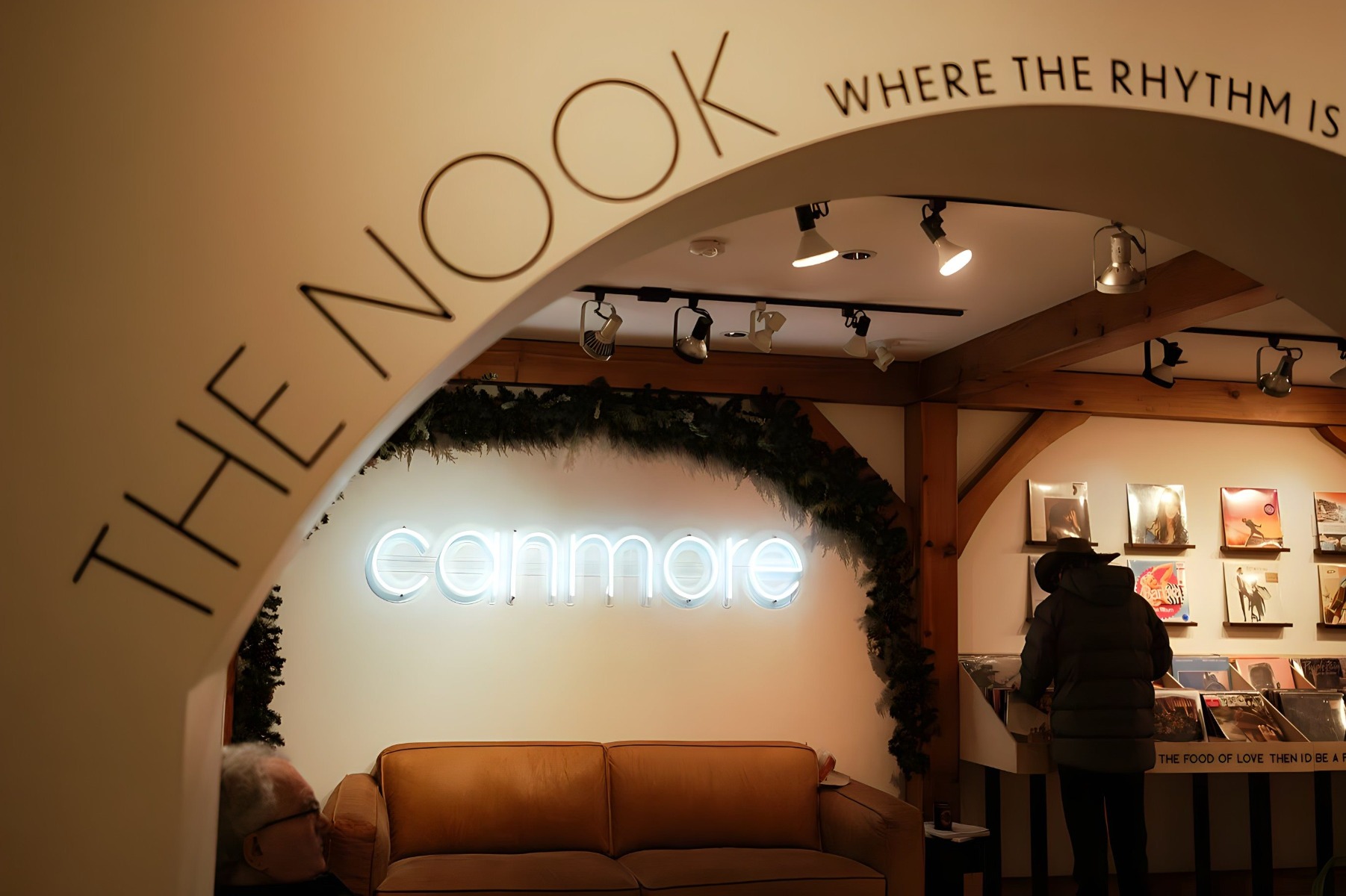
Research has shown that warm lighting can create an inviting and pleasant atmosphere. Take advantage of the calm and relaxed mood of warm tones like soft whites, yellows, and oranges to encourage customers to stay longer in your shop. The longer they stay, the more opportunities for conversion there are.
Bright Spotlighting for Promotional Items
Place a bright and cool-toned neon sign over a specific product to make it impossible to miss. This can work as a great supporting strategy for promotional sales or seasonal campaigns where you focus on specific products or product lines.
A Different Turn on Accent Lighting
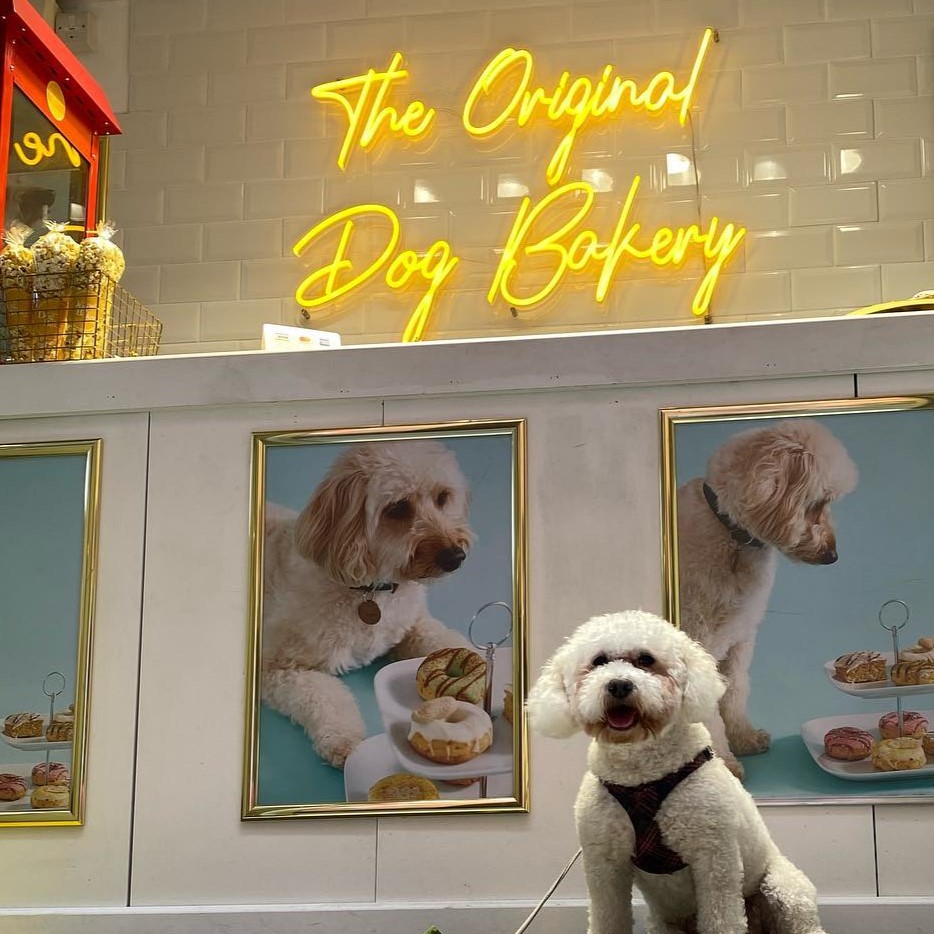
Another variation that achieves the same effect as above is using bright yellow signs. Accentuating products or areas of the store with strategically placed pops of yellow can guide customers through the store to the exact place where you’re displaying a specific product.
Blue for Trust Building
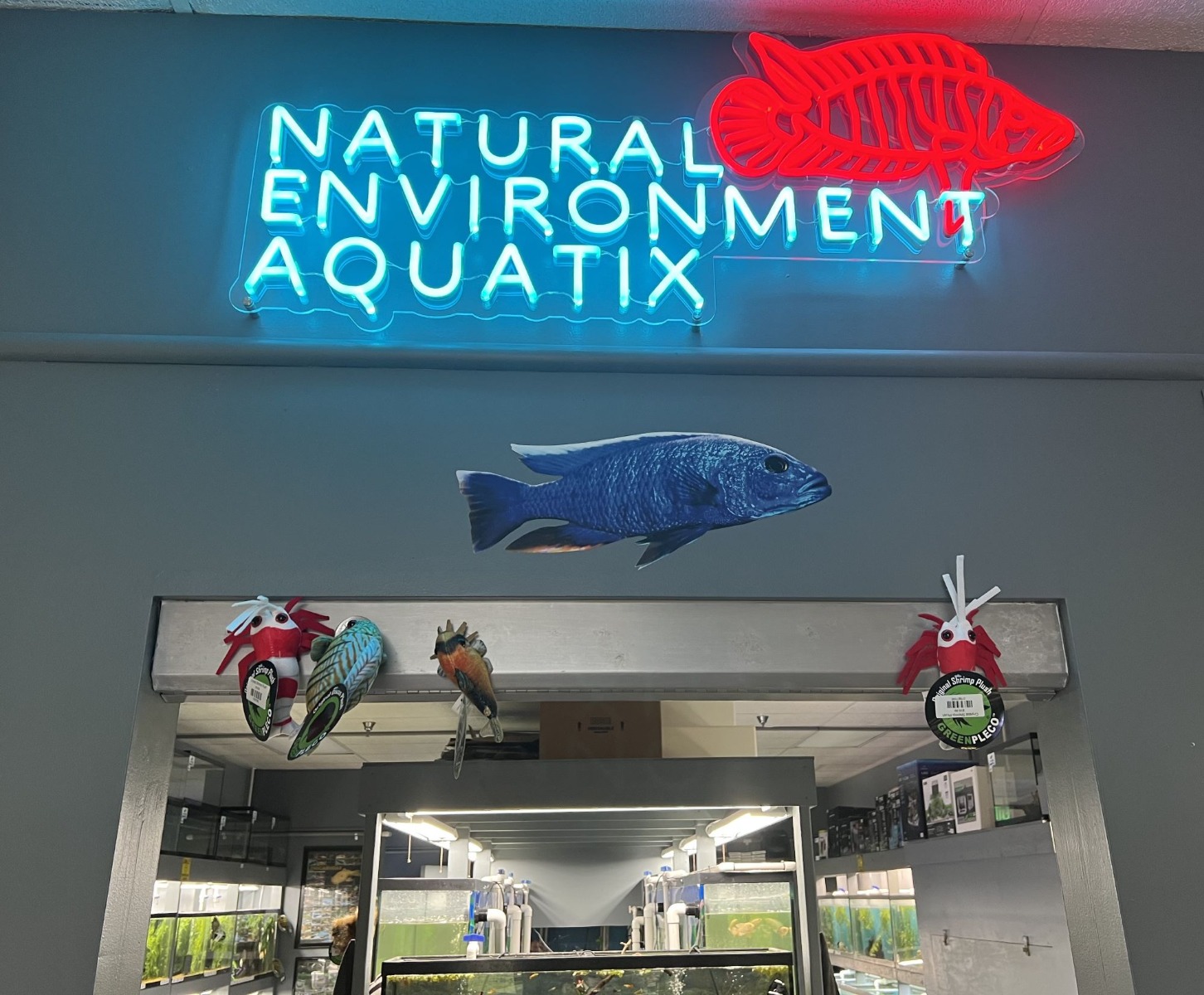
In colour psychology, blue is associated with reliability. It’s also one of the favourite colorus worldwide, so there are good chances of getting a positive response when using it in shop signage. Especially if you’re a new business and want to generate trust among those who visit your shop, a strategically placed blue LED neon sign can help achieve that.
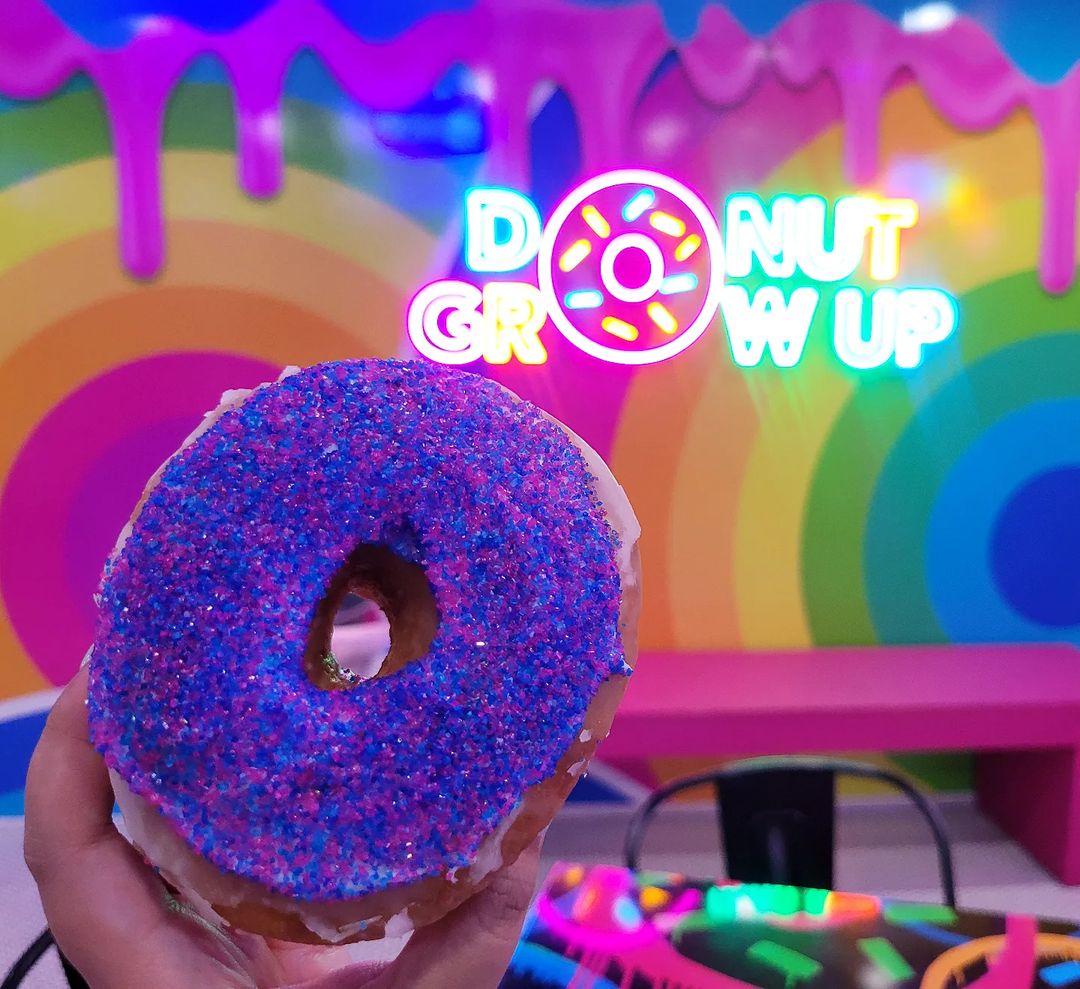
Colour and Customer Age
Colour preferences change depending on the customer’s age group. If your business targets a predominantly young demographic, signage featuring bright reds, oranges, greens, and purples could be more effective. Older customers (70+) have a stronger preference for whites and blues.
Creating Street Appeal with Colour
Colourful neon signs can also make a statement on the streets. The window or exterior fit out of a store is like a first impression, so keep the following in mind to make this impression count:
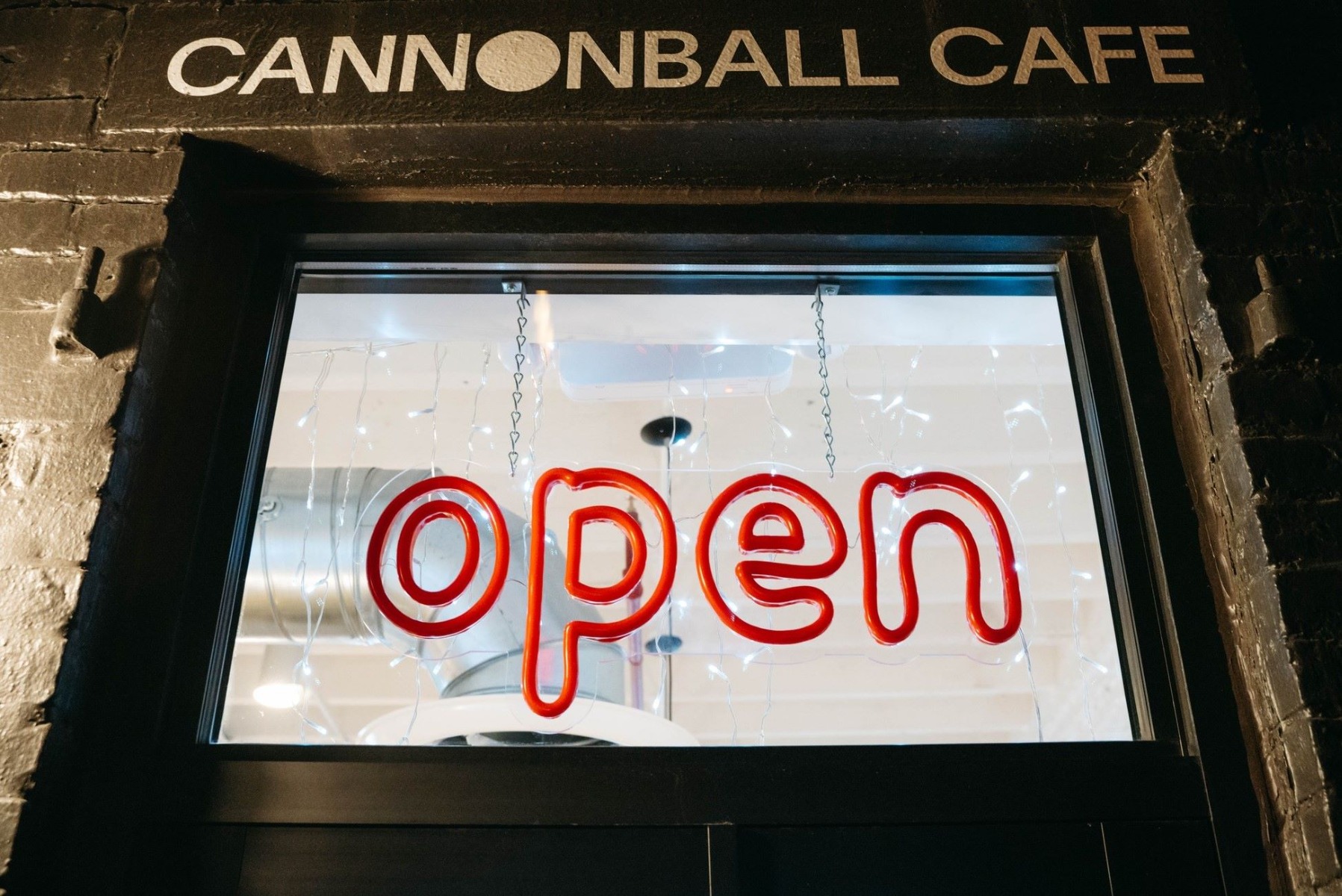
Red for Optimal Visibility
A red neon sign is a good choice to stand out in a busy street since red signs appear closer than they are. This means there could be higher chances of increasing foot traffic with an external red neon sign.

Red for Impulse Buying
Another potential use of red neon lighting is to encourage impulse buying due to the colour’s association with urgency. This can be an excellent way to create FOMO and drive your sales up or to contribute to the success of a sales campaign, given red’s association with discounts and good value.
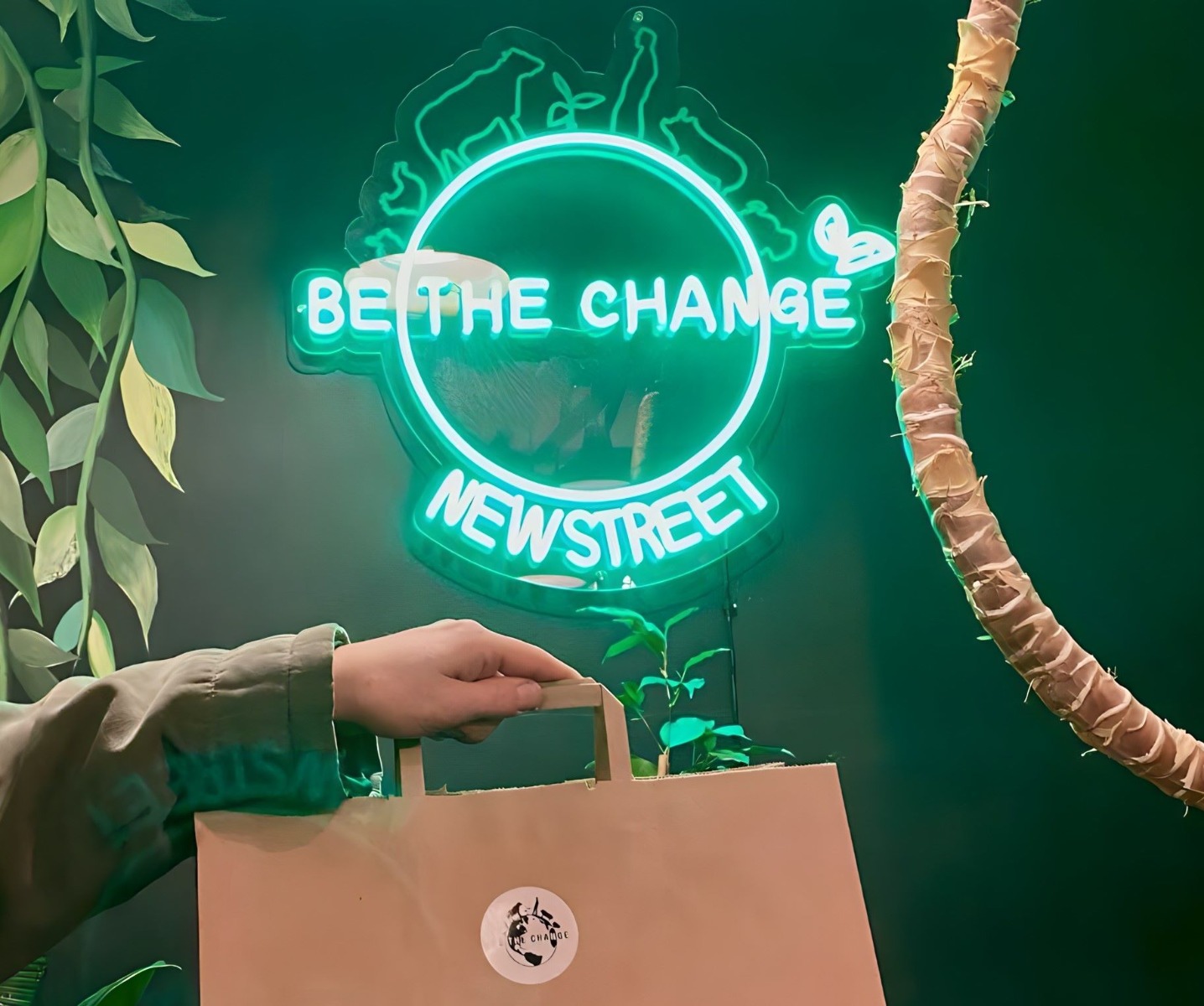
Green for a Sustainable Brand Image
Green elements in external signs can attract eco-conscious consumers. A study showed that 28% associate this colour with nature, which helps create a sustainable brand image that gets you noticed by passersby. And although green is not as eye-catching as red, pairing it with a black background can make the sign pop.
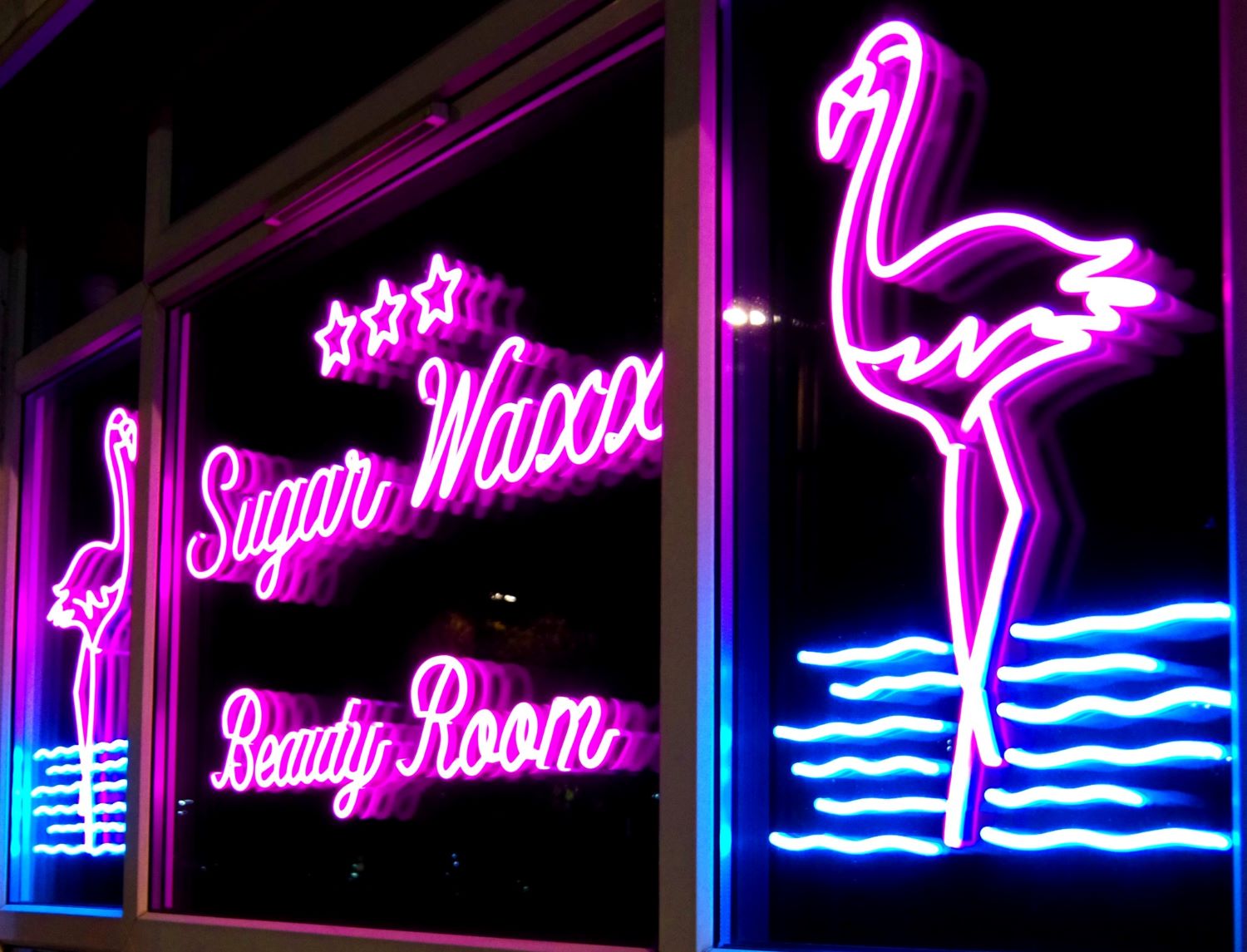
Pink for Beauty and Personal Care Businesses
Up to 80% of women choose pink as their favourite colour, so a shopfront or external pink neon sign pointing to a beauty salon, hair stylist, or nail artist can work well. This could also be a good option for bakeries, dessert shops, and food outlets selling sweet treats.
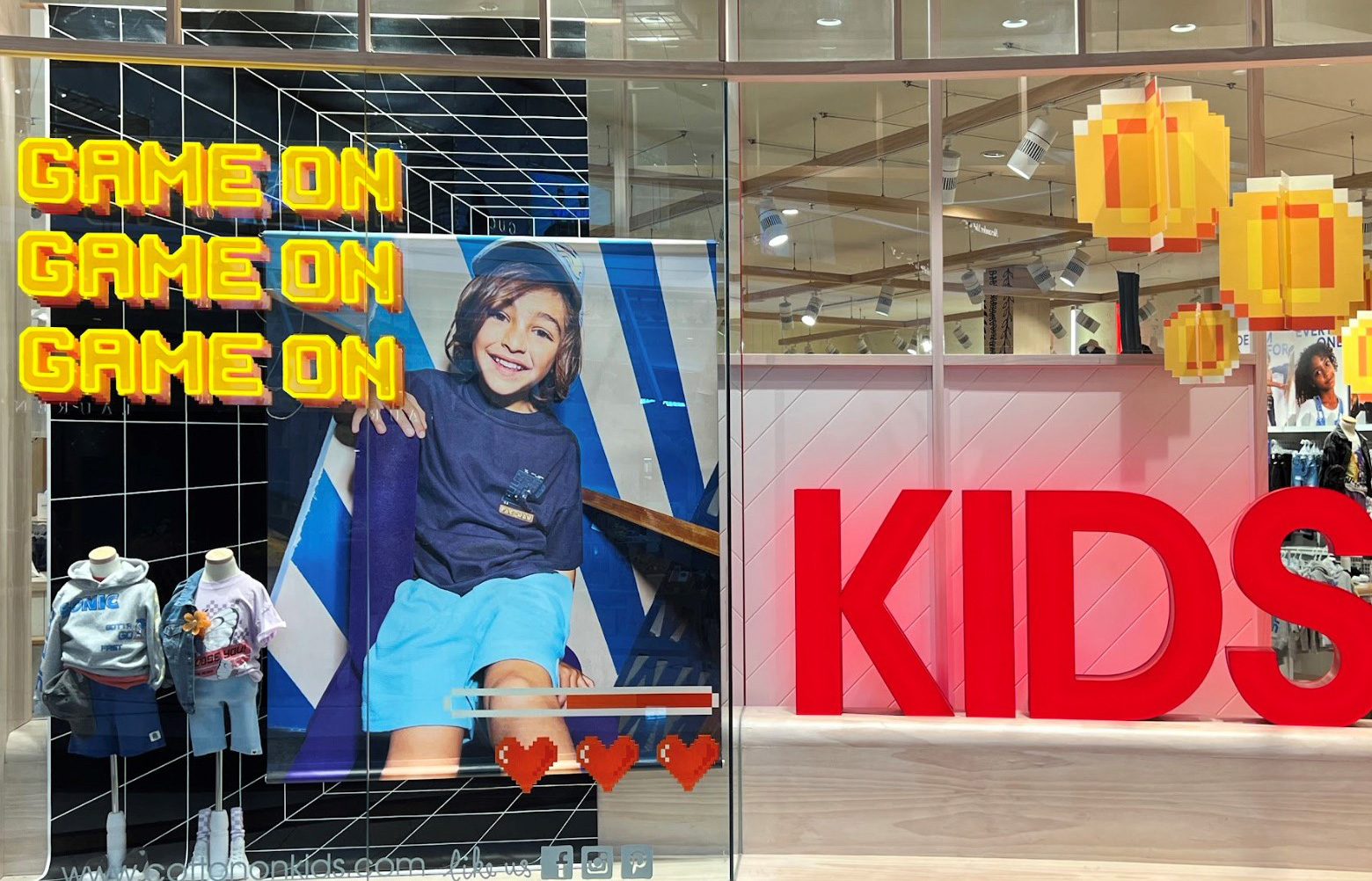
Yellow for Unmissable Storefronts
Yellow is the ultimate attention-grabber, so use it strategically in external signage. For example, a yellow neon sign on shop windows could help ensure your storefront is unmissable, even from a distance.
Conclusion
Research in colour psychology and consumer behaviour shows how colour can shape experiences and create lasting impressions. As a shop owner, you can use this to your advantage by upgrading to custom-made neon signage, both in-store and outdoors. Get in touch with the Custom Neon team for more details.
To find out more about our research or request an interview:
Get in touch with our Media & Outreach team now by contacting
Clare Jones
Global Outreach Manager
Email: clare@customneon.com
LinkedIn: Clare Jones
All product names, logos, and brands are the property of their respective owners. All company, product, and service names used in this website are for identification purposes only.
More research commissioned or undertaken by Custom Neon® can be found by clicking the following links: